
Why Your Wind Instrument Tracks Still Sound Fake (And It’s Probably Not the Library)
Most producers blame their sample libraries when wind instruments sound artificial. But the real problem is usually the lack of expressive performance. Here’s why breath control changes everything — and how a breath MIDI controller can instantly make your wind instrument tracks feel alive.
The Real Problem With Virtual Wind Instruments
Every producer has faced this moment.
You load an expensive saxophone, trumpet, flute, or clarinet library. The demo sounds amazing. The articulations are detailed. The samples are beautifully recorded.
But once you program your own MIDI performance, something feels wrong.
The instrument sounds:
- Flat
- Mechanical
- Lifeless
- Artificial
Most people immediately blame the sample library.
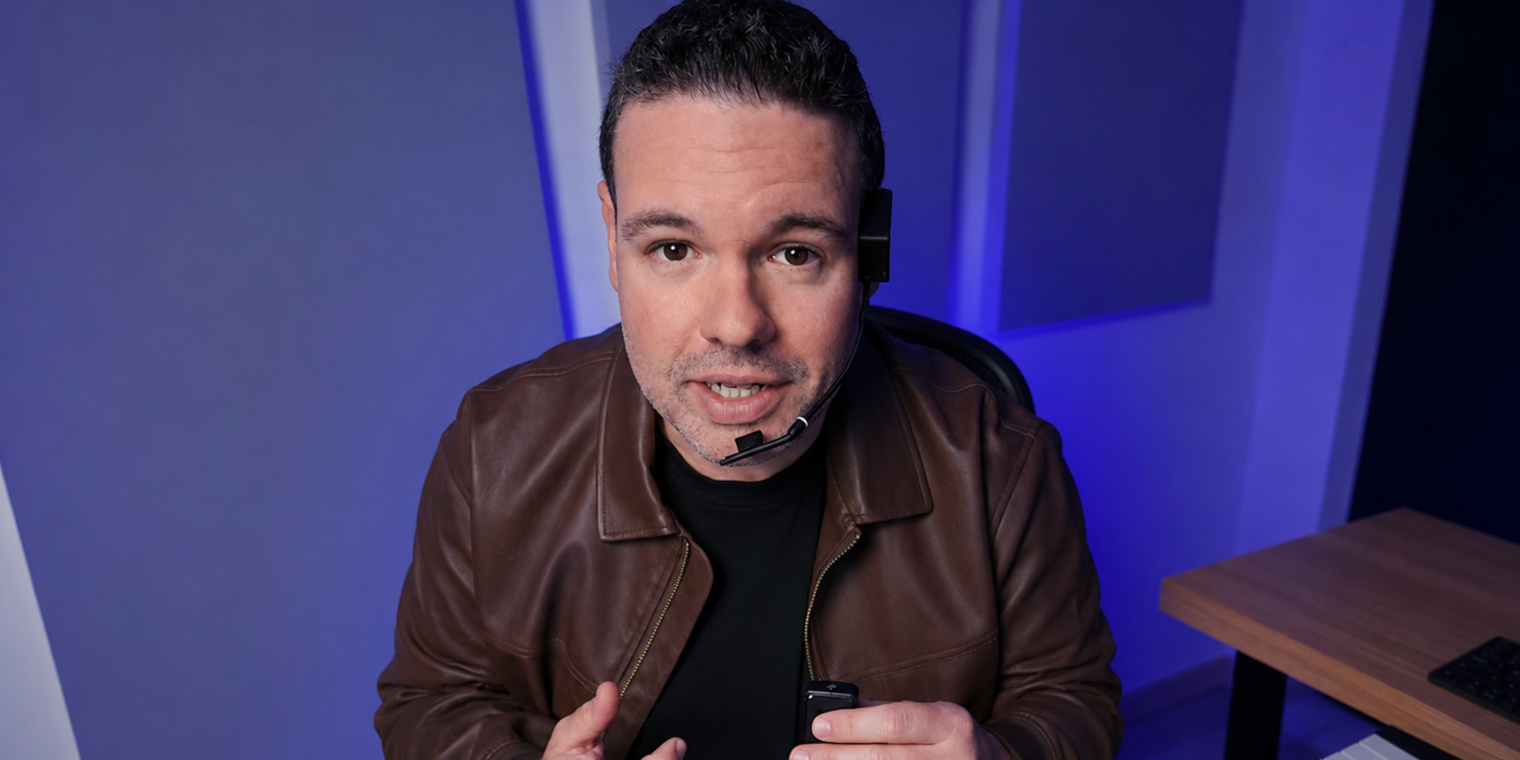
But as Jordi Longan explains in his recent video demonstration, the real issue is usually not the library itself — it’s the lack of expressive control during performance. :contentReference[oaicite:0]{index=0}
Wind Instruments Depend on Breath Expression
Real wind instrumentalists do not simply “play notes.”
They constantly shape every phrase using breath pressure and airflow.
That natural breath control creates:
- Dynamic swells
- Emotional phrasing
- Smooth transitions
- Natural accents
- Organic movement
Without this continuous expression, even the best virtual instrument can sound robotic.
Traditional MIDI programming often relies on static notes drawn into a piano roll, with little real-time expression behind them. The result may be technically correct, but it rarely feels human.
Why Sample Libraries Alone Can’t Solve the Problem
Modern orchestral and wind libraries are already incredibly advanced.
They contain:
- Multiple velocity layers
- Legato transitions
- Dynamic articulations
- Real recorded performances
The realism already exists inside the library.
What’s missing is the human input controlling those dynamics naturally in real time.
That is exactly where expressive controllers become essential.
AirMotion Neo: Turning MIDI Programming Into Performance
The AirMotion Neo was designed specifically to solve this problem.
Instead of manually drawing automation curves after recording MIDI notes, producers can control expression naturally using breath — just like a real wind player.
This creates performances that immediately feel more:
- Organic
- Dynamic
- Emotional
- Realistic
With AirMotion Neo, breath becomes a direct performance tool for controlling:
- Dynamics
- Expression
- Vibrato intensity
- Phrase shaping
- Musical tension
Rather than programming music note-by-note, producers begin to actually perform their virtual instruments.
Jordi Longan’s Demonstration
In his video, Jordi Longan demonstrates the exact difference between static MIDI programming and expressive breath-controlled performance.
The contrast is immediate.
The version performed with breath expression feels alive, fluid, and natural — while the static MIDI version sounds rigid and artificial.
His conclusion is simple:
“The difference is you, not the library.”
Watch Jordi Longan’s demonstration here:
👉
Why Breath Control Changes Everything
Wind instruments are fundamentally tied to airflow and breath dynamics.
Trying to create convincing performances without breath expression is similar to trying to play piano without velocity sensitivity.
You can still produce notes — but the emotional realism disappears.
AirMotion Neo restores that missing human layer by allowing producers to shape phrases naturally while performing.
The result is not just “better MIDI.”
It’s a completely different musical workflow.
More Than Realism — Better Musicality
One of the biggest benefits producers discover with AirMotion Neo is that performances become more musical overall.
Instead of editing endless automation curves later, phrasing happens naturally during recording.
This leads to:
- Faster workflows
- More emotional performances
- Better articulation control
- Improved realism across orchestral and cinematic productions
The technology disappears, and the focus returns to musical expression.
Final Thoughts
The future of realistic virtual instruments is not just better samples.
It’s better performance input.
As Jordi Longan’s demonstration clearly shows, expressive control is what separates mechanical MIDI from believable musical performance.
AirMotion Neo bridges that gap by bringing natural breath expression directly into the production process.
Because ultimately:
The realism was already inside the library.
What was missing was the performer.
&body=Most%20producers%20blame%20their%20sample%20libraries%20when%20wind%20instruments%20sound%20artificial.%20But%20the%20real%20problem%20is%20usually%20the%20lack%20of%20expressive%20performance.%20Here%E2%80%99s%20why%20breath%20control%20changes%20everything%20%E2%80%94%20and%20how%20a%20breath%20MIDI%20controller%20can%20instantly%20make%20your%20wind%20instrument%20tracks%20feel%20alive.%0A%0Ahttps%3A%2F%2Fpapritech.com%2Fnews%2Fwhy-your-wind-instrument-tracks-still-sound-fake-and-its-probably-not-the-library%0A%0AImage: https%3A%2F%2Ffirebasestorage.googleapis.com%2Fv0%2Fb%2Fpapritech-app.appspot.com%2Fo%2Fnews-covers%252F1778238296441-cropped.jpg%3Falt%3Dmedia%26token%3Df7ff595a-2345-40ec-bc59-80714f1c53a2)
Stay in the loop
Subscribe for product updates, early access, and exclusive content — no spam, just the good stuff.